
BUILT AROUND YOUR SITE
Clear voice instructions need a complete, defined system.
Voice evacuation has a different purpose from everyday background music. We install and configure the specified voice alarm control, amplification, speaker circuits and operator functions against the project's design. Messages, zones, priorities and interfaces must be settled as part of that complete arrangement.
A SIMPLE SYSTEM VIEW

Messages for the required areas
Work from the defined voice zones and message requirements. Language, operating procedures and the people expected to use the system belong in the brief.

Agreed priorities and interfaces
Confirm how emergency functions, normal announcements and any music are handled by the selected system. Fire alarm interfaces require a specified action and responsible parties.

Checks and usable records
Follow the agreed testing and review scope. Demonstrate operator controls and hand over the configuration and maintenance information listed in the proposal.
UNDERSTAND THE PARTS
How the system comes together.
Choose a part to understand its role. These are system roles, rather than an installation wiring plan.
Voice alarm control
The specified control arrangement handles messages, operator actions and priorities. Required automatic or manual operation comes from the project design.

Amplification & power
Compatible amplification and power equipment support the defined system. Capacity, redundancy and supervision requirements need to be established in the specification.
Speaker circuits & zones
The specified speaker arrangement distributes sound to the defined areas. Circuit design, monitoring and required speech checks form part of the complete system.

Operators & procedures
Responsible staff use the agreed controls and procedures. Handover explains the permitted tasks, indications and routes for maintenance support.
Where are you starting?
Choose the situation closest to yours. The details help us plan the right next step.
Define the voice zones before ordering.
Bring the building plans, available evacuation strategy and system requirements into the discussion. Agree the required design and review responsibilities before selecting the equipment list.
- Defined zones and message requirements
- Control and operator locations
- Design, testing and review parties
Check the complete shared-use arrangement.
Some specified voice alarm systems also support routine announcements and music. That use must fit the designed priorities and compatible equipment; ordinary PA alone is not equivalent.
- Normal and emergency operating priorities
- Permitted sources and controls
- Complete system compatibility
Review the platform before extending it.
Provide controller, amplifier and speaker-system information with existing drawings and records. Define the proposed areas or functions to change before accepting an expansion plan.
- Exact equipment and software references
- Existing circuit and zone documentation
- Required change and acceptance checks
DECISIONS THAT SHAPE THE WORK
Settle the important questions early.
Who defines the emergency operation?
The applicable building strategy and responsible design parties establish the required behaviour. Installation and configuration need that information; a generic speaker layout cannot replace it.
How will the messages be understood?
Define the areas and operating conditions to assess, required messages and the agreed speech verification method. Speaker quantity or amplifier wattage alone cannot demonstrate a useful result.
What is the fire alarm interface meant to do?
State the exact actions, control boundaries and supported interfaces. Include the responsible parties and test procedure so the connection is demonstrated against an agreed requirement.
AN AGREED SCOPE
Know what you will receive.
- A confirmed work scope against the supplied voice alarm design.
- Installation and configuration of the specified compatible system components.
- Recorded zone, message, priority and interface checks within that scope.
- The required configuration records, operator demonstration and maintenance handover.
The quotation confirms the equipment, work, exclusions and handover for your project.
Questions before you start.
Can existing music speakers be reused?
Do not assume so. Suitability depends on the specified system, devices, circuits and required review. Any retained equipment must be accepted as part of the complete design.
Can normal music continue during an emergency message?
The specified system priorities determine what happens. These must follow the project's requirements and selected equipment, and be verified during the agreed checks.
Is a public-address microphone enough?
No. Voice evacuation involves a defined system, operating priorities, monitoring, power and review requirements. Everyday announcements alone do not establish that purpose.
Equipment for this system.
A selection from the current catalogue. Compatibility, configuration, price and availability are confirmed for your request.
-
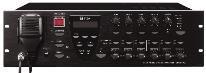
TOA VM-3240VA System Management Amplifier
Product family image
-
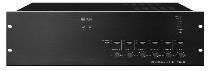
TOA VM-3240E Extension Amplifier
Product family image
-
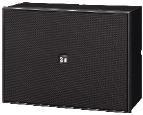
TOA BS-678BSB Voice Alarm Wall Loudspeaker
Product family image
-

TOA RM-200M Remote Paging Microphone
-
TOA VM-3360VA System Management Amplifier
Product family image
-
TOA VM-3360E Extension Amplifier
Product family image
Continue with the connected work.
See how this fits into our Electronic systems services.
LET’S MAKE THE NEXT STEP CLEAR
Discuss voice evacuation
Share the building requirements and the voice system information you have.
Useful details to send
- Location, building use and plans
- Required voice zones and messages
- Existing system models and records
- Design contacts and required interfaces